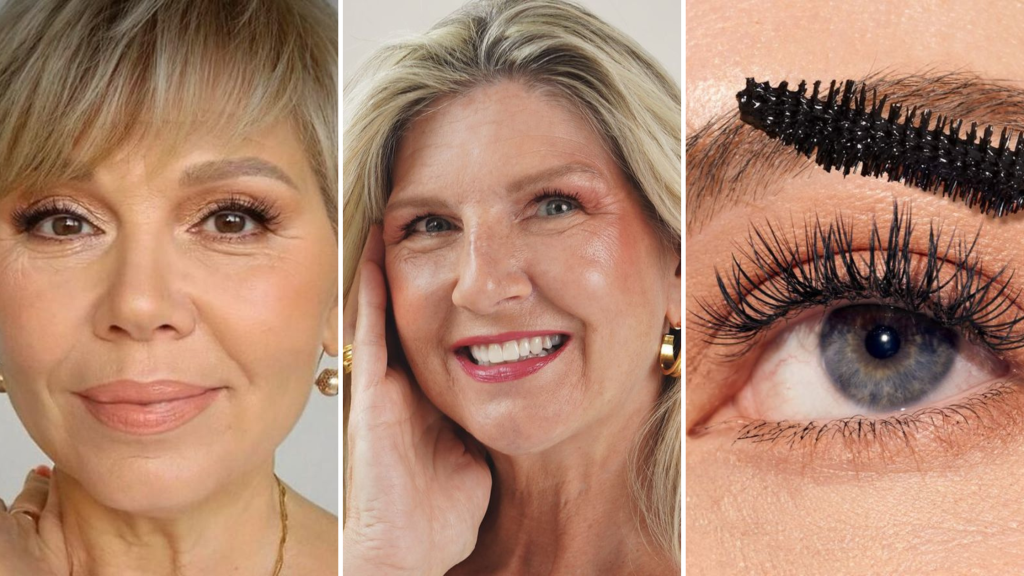
Makeup on mature skin does not need to turn into a giant list of things you’re suddenly “not allowed” to wear.
You can still wear red lipstick.
You can still do smoky eyes.
And if glitter is what makes you happy, nobody needs to confiscate it because of your birthday.
The main difference is that certain textures and lighter application techniques can sometimes sit more comfortably on skin that has become drier or more textured with age.
Here are some makeup ideas worth experimenting with.
15 Makeup Tips and Ideas for Older Women
1. Try Cream Blush
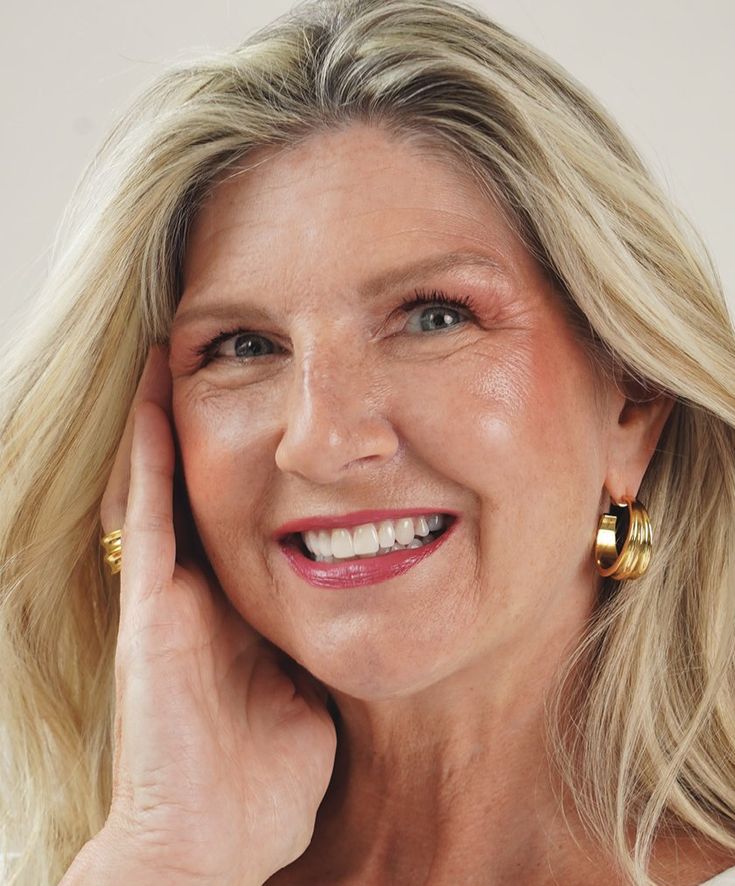
If powder blush tends to emphasize dryness or texture on your skin, try cream.
A soft peach or rosy shade can blend into the cheeks without leaving such an obvious powder finish. Use a small amount first because cream blush has an impressive ability to go from healthy flush to Victorian child with a fever very quickly.
2. Define Lips With a Nude Liner
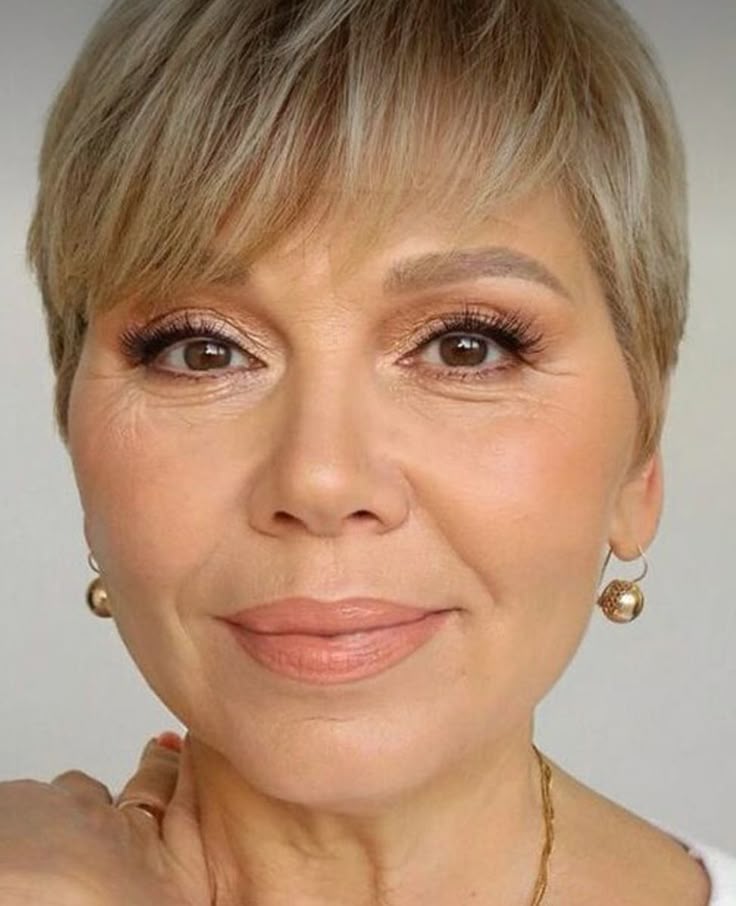
Lip liner can help give your lipstick a cleaner edge and reduce the appearance of color feathering outside the lip line.
Choose something close to your natural lip color for an everyday look. You can subtly define the shape before adding lipstick or gloss over the top.
3. Use a Clean, Defining Mascara
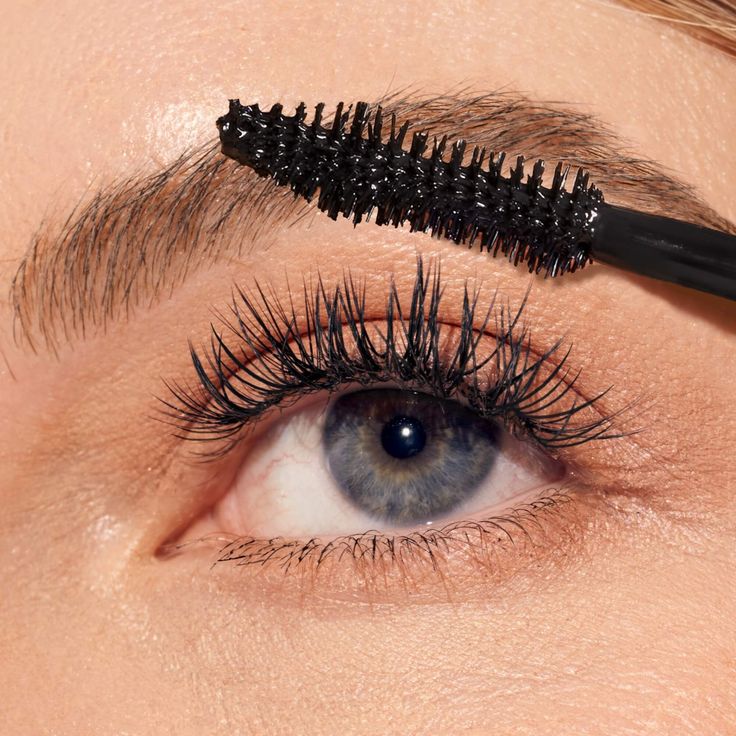
A lengthening mascara that separates rather than heavily clumps the lashes can make the eyes look more defined.
If smudging is a problem for you, look for a formula designed for better wear around the eye area.
4. Try Tinted Moisturizer
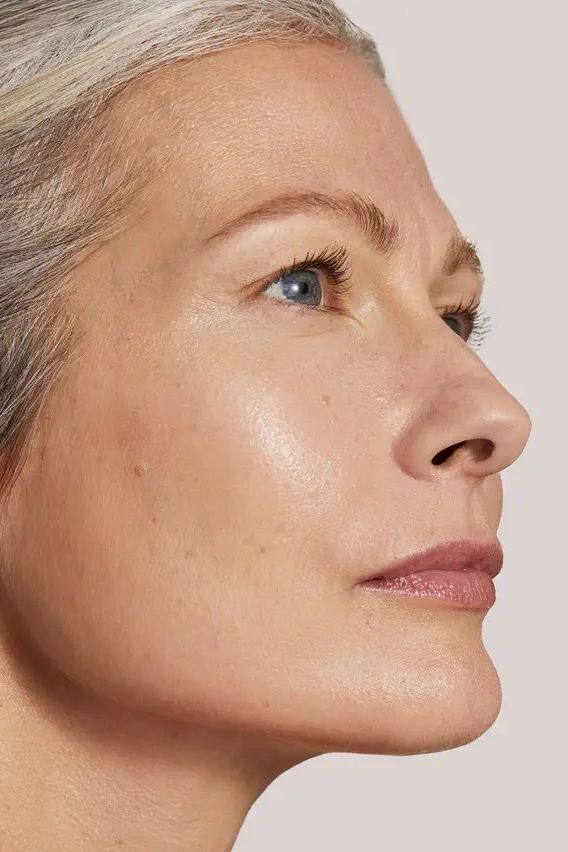
You absolutely can wear foundation at any age, but you don’t always need full coverage.
A tinted moisturizer or skin tint can even out the complexion while leaving more of your natural skin visible. Add concealer only where you actually want extra coverage. This usually feels much lighter than applying a thick layer everywhere and hoping for the best.
5. Do a Soft Taupe Smoky Eye
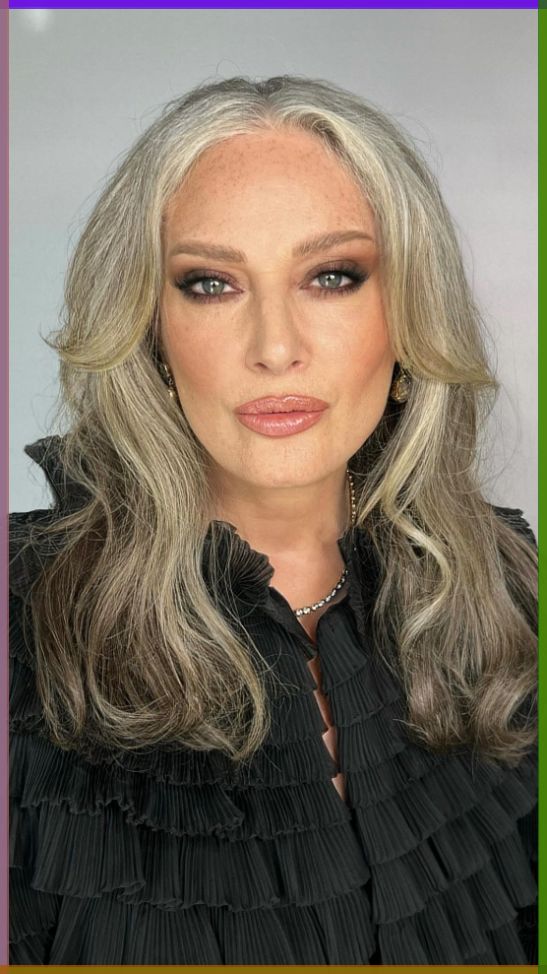
Smoky eyes do not need to mean five shades of black.
Try warm taupe, soft brown, or muted bronze and blend the edges well. These softer shades can give the eyes definition while still feeling very wearable. I would especially use this for evenings when a plain neutral lid feels a little too quiet.
6. Wear the Bold Lipstick
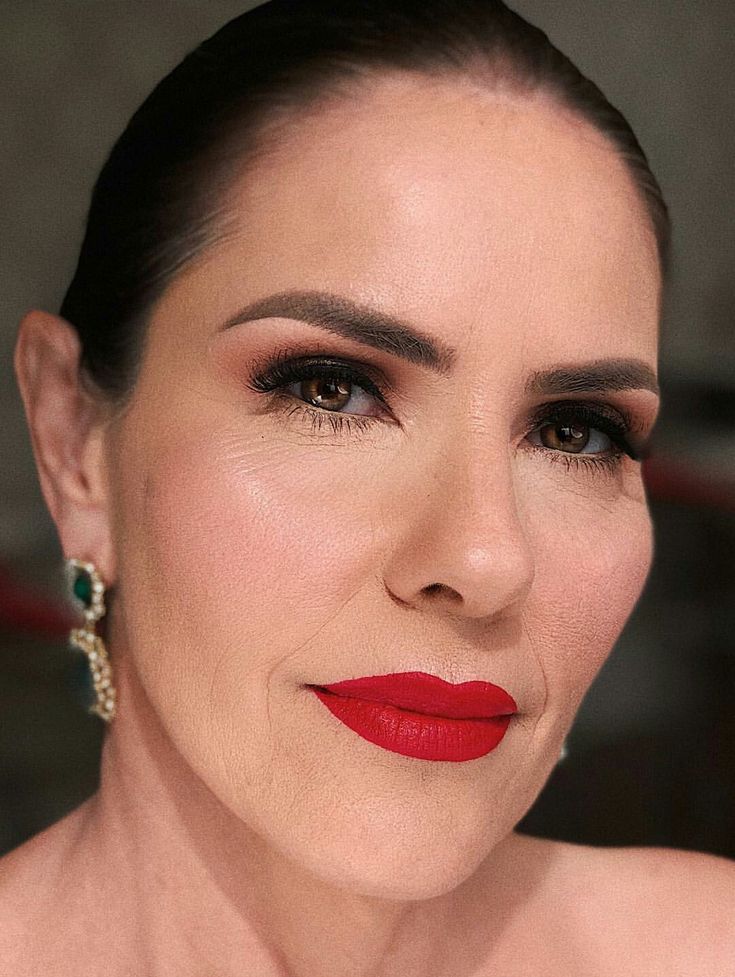
Cherry red and deep berry lipstick do not have an age limit.
In fact, a strong lip can become the whole makeup look. Keep the eyes simpler when you want the lipstick to stand out, or don’t if maximal makeup is your thing. There are no makeup police coming.
7. Use Primer Where You Need It
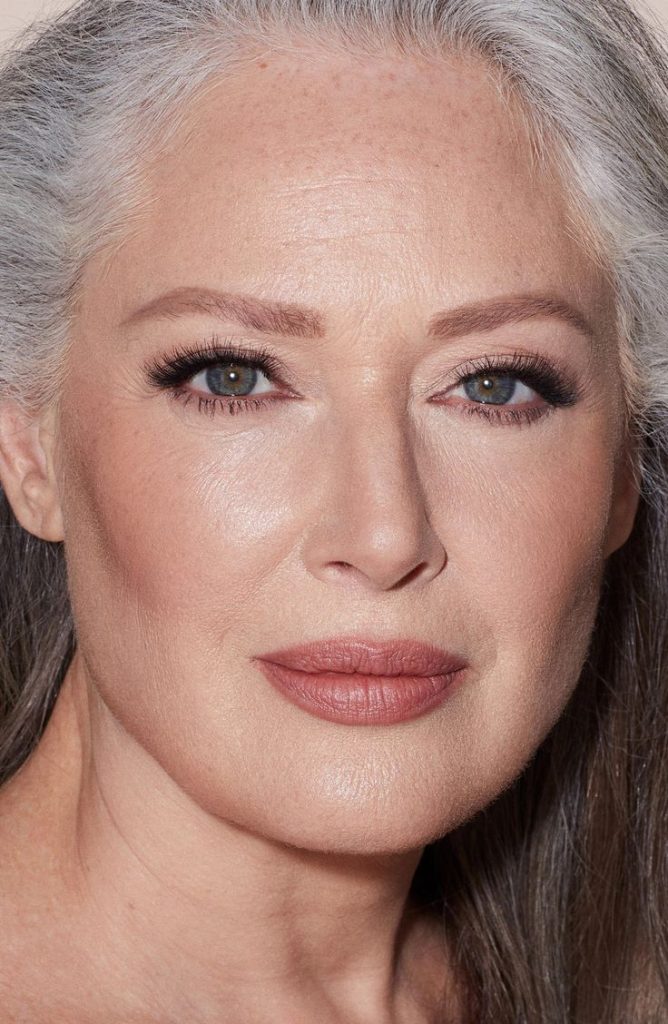
A smoothing primer can help makeup sit differently over areas where you notice visible texture or enlarged-looking pores.
You don’t necessarily need it across your entire face. Try it only where it improves the finish for you. Less product underneath can sometimes make the final base look better than layering six different primers because the internet told you to.
8. Fill Brows With Light Strokes
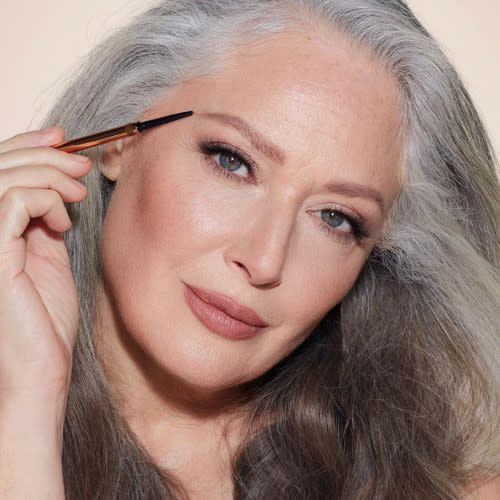
Brows can become thinner or more sparse over time, and a fine brow pencil can add back some definition.
Use small strokes rather than drawing one solid block across the brow. Choose a shade that works naturally with your coloring. The goal is brow, not permanent-marker reenactment.
9. Keep Highlighter Strategic
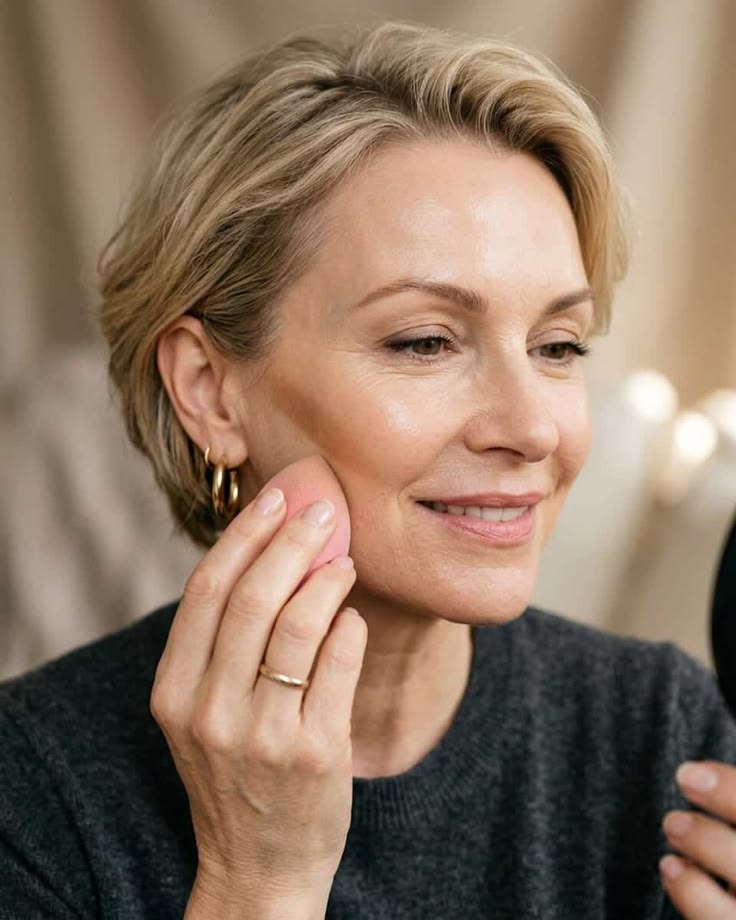
Highlighter can still be beautiful on mature skin when you like a luminous finish.
Try a small amount on the upper cheekbones rather than covering every textured area in shimmer. Cream or finely milled formulas can give you a softer effect. You want glow, not necessarily visibility from space.
10. Soften Your Eyeliner
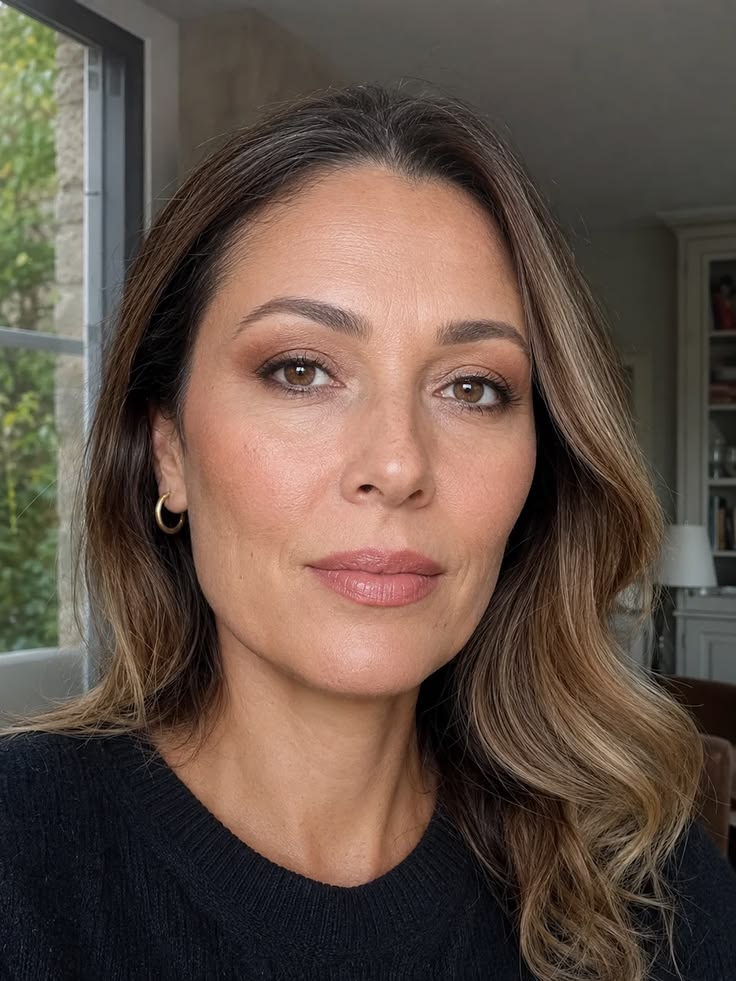
If a very sharp black line feels heavier than you want, switch to brown or another softer shade.
Keep the line close to the lashes and blend it slightly. A little definition can be enough without drawing a thick border around the entire eye.
11. Finish With a Hydrating Setting Spray
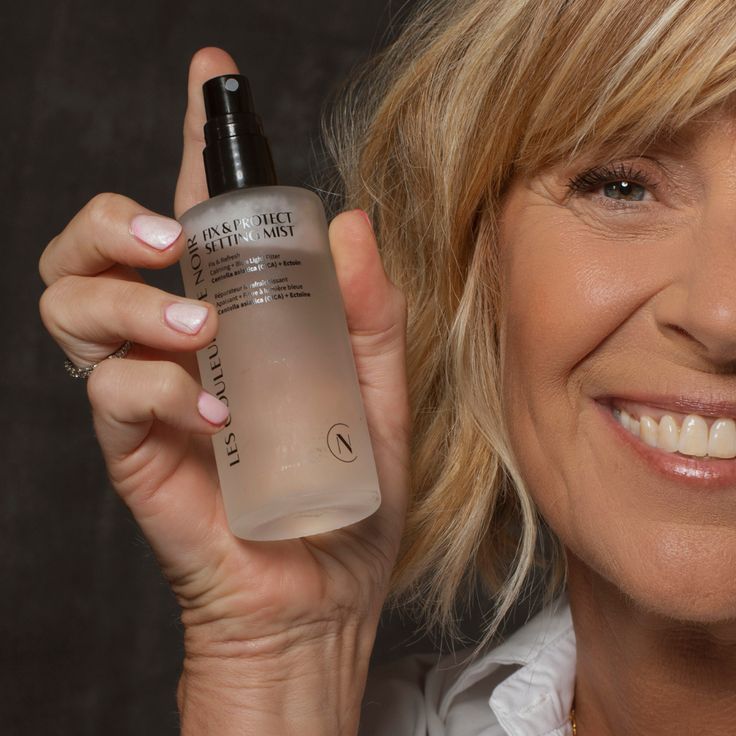
If makeup starts looking powdery after you’ve finished, a hydrating setting mist can help the layers look more melded together.
Use a light spray rather than soaking your entire face. This is especially nice when you prefer a fresher finish over a completely matte one.
12. Choose Bronzer Carefully
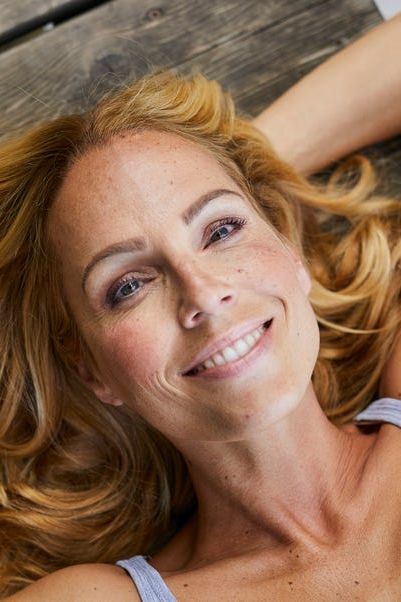
The wrong bronzer can turn orange surprisingly fast.
Look for a tone that works with your complexion rather than choosing the darkest or warmest shade on the shelf. Apply it lightly around the areas where you want warmth. Build slowly because bronzer is much easier to add than remove once you’ve accidentally taken a tropical vacation on only one side of your face.
13. Try Warm Neutral Eyeshadows
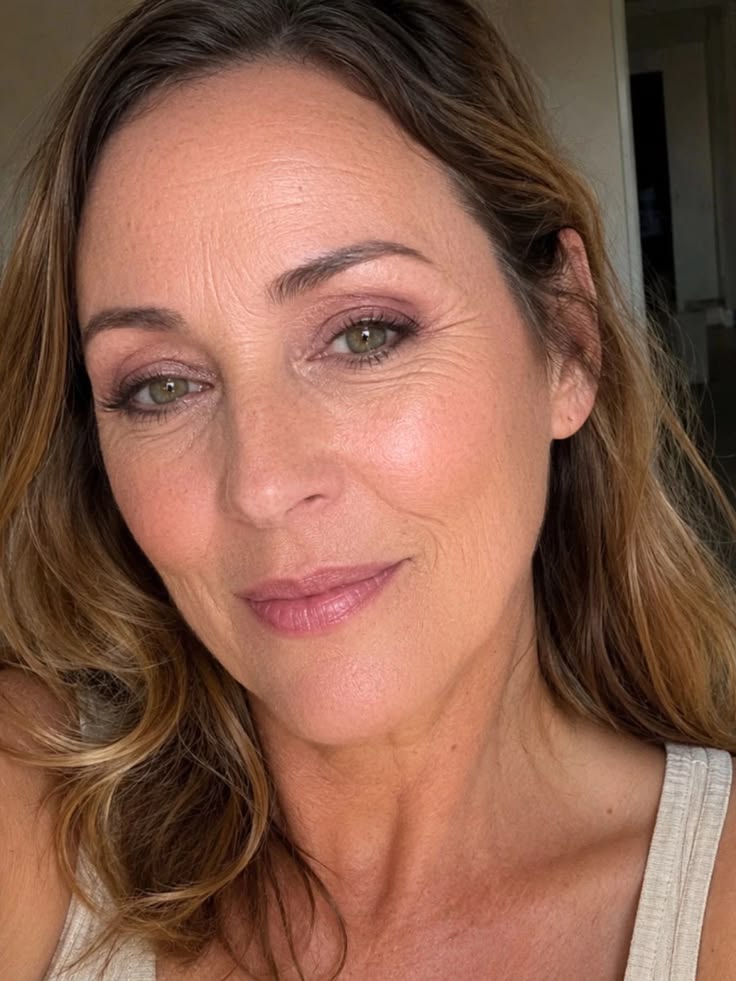
Honey, taupe, soft sienna, and other warm neutral shades make a very easy everyday palette.
Matte or softly satin finishes can give you definition without relying on chunky shimmer. Use the lighter shade across the lid and something slightly deeper around the outer corner when you want more shape.
14. Keep Under-Eye Concealer Light
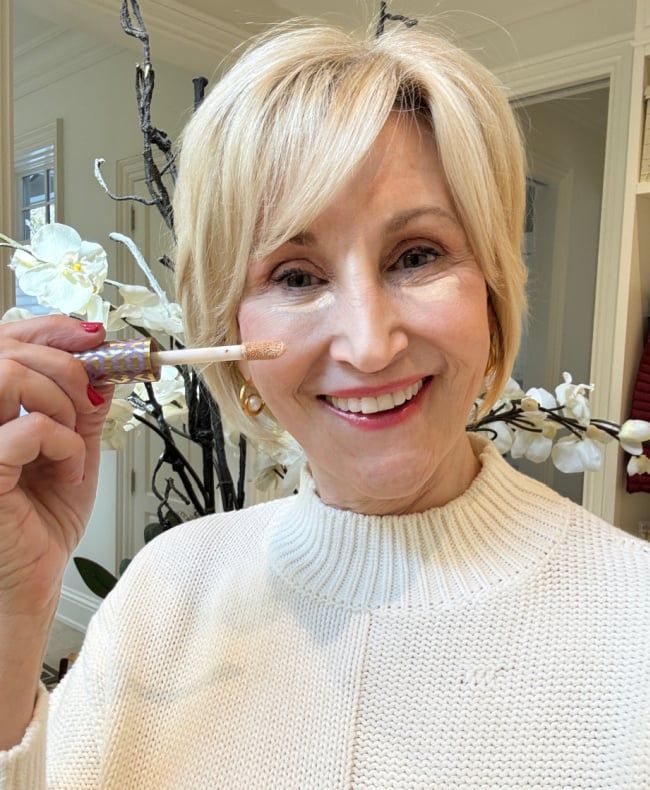
More concealer does not always equal a better under-eye.
Use a small amount where you actually see darkness and blend it thinly. Very heavy layers can crease more simply because there is more product sitting there. If you need extra coverage, build slowly instead of applying half the tube at once.
15. Use Finishing Powder Sparingly
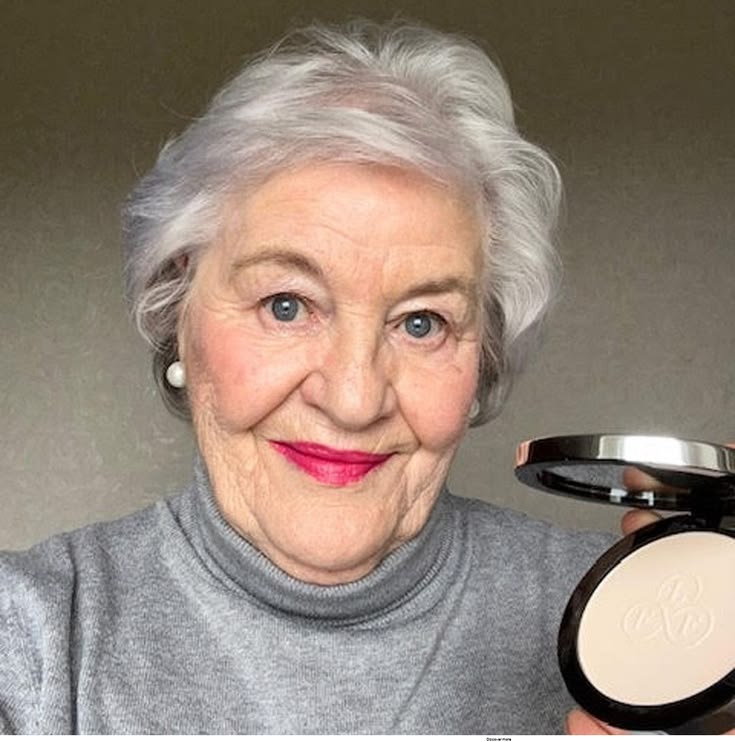
Powder can still be useful for setting makeup, especially where you tend to get shine.
The key is not automatically covering every inch of the face in a thick matte layer. Use a light amount and concentrate it where you need it. Leave some natural finish elsewhere if that’s what makes your skin look fresher to you.
Conclusion
The best makeup for older women is not necessarily a completely different category of makeup.
Sometimes it’s simply using less product, choosing textures you enjoy, and applying color in ways that suit how your skin looks now.
Cream blush can replace powder if you prefer it.
A tinted moisturizer can replace full foundation on lighter makeup days.
And the red lipstick can stay exactly where it is.
Getting older does not mean your makeup needs to quietly fade into beige.